
Written by Bonne
Edited on
1 October 2025
·
11:04
What you need to know about HDR
HDR makes sure you have a larger and more detailed color gamut. But what is HDR and what are the benefits? And which TV is best suited for HDR images? In this article, we'll explain everything about HDR, and we'll help you find the best TV for you. Do you want more advice? Visit one of our stores and experience it with your own eyes.
What's HDR?
HDR is short for High Dynamic Range. HDR images have a higher quality than 'standard' SDR images. That's because HDR images are made and processed in an HDR format, so it contains more information. This information results in a more colorful and realistic image. You can compare it to a box of crayons. HDR has more different crayons to color the image than SDR. Do you want to watch movies, series, or games in HDR, that your TV has to support it. We'll get back to that later.
SDR and HDR

Standard Dynamic Range (SDR)
SDR is an image technology that has a limited range of brightness and colors. This provides images with less contrast and details in dark or bright parts. It's suitable for older screens and is often used in traditional TV shows and videos. SDR has a good image quality, but misses the quality of more modern technologies.

High Dynamic Range (HDR)
HDR provides a wider range of colors and brightness, so the images look more realistic and lively. With HDR, you can see more tails in both dark and bright parts of a scene. This technology gets supported by modern TVs and streaming services. HDR makes movies and games more visually impressive than SDR.

The benefits of HDR
The benefits of HDR are in the contrast and color gamut. The larger contrast determines how light and dark the images can go. HDR images have a larger contrast range than SDR content. The same counts for the color gamut. HDR images show more subtle color difference. You can see all the details in a night scene, for example, but you can also enjoy the colorful images of a tropical rainforest in daylight. In short, what you can see with HDR is closer to reality than with SDR images.
Which TV do you need to watch HDR images?
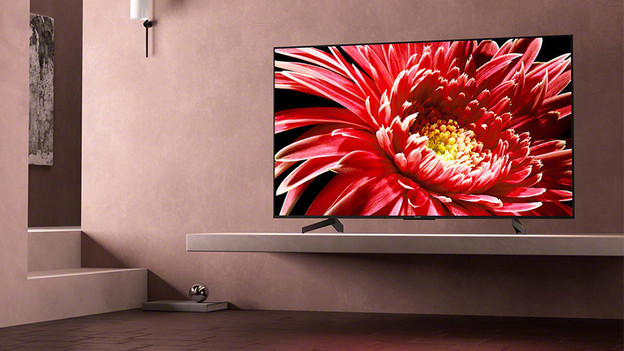
To watch HDR images, the television has to support HDR. Currently, most TVs do so, but there are some differences between models. HDR gets the best result on a TV with a 10-bit color depth, for example. Because such a TV shows 1 billion colors compared to 17 million of a 8-bit TV, you see much more color differences. You can also see a deeper black on an OLED TV or on a TV with mini LED or Full Array Local Dimming.

HDR formats
There are different HDR formats, like HDR10, HDR10+, Dolby Vision, and HLG. Each format has certain properties and they are supported by certain sources. HDR content is available in many places, like Blu-ray, but also via streaming services like Netflix, Amazon Prime, and Disney+. There are also multiple Xbox and PlayStation games available in HDR. An HDMI 2.0b cable supports HDR10 and HLG. If you want to watch images with HDR10+ or Dolby Vision, use an HDMI 2.1 cable.
Come visit one of our stores and experience it with your own eyes
Are you thinking about buying a television, but want to see it in real life first? Visit one of our stores. You can see, touch, and compare a large assortment of TVs here. If you need extra advice, our experts are happy to help.
Article by Bonne
Television Expert.
