
Written by Jordin
Edited on
15 September 2026
·
08:02
TCL QD Mini LED C81K vs C71K vs QLED P81K
The QLED and Mini-LED TVs in TCL's 2025 lineup are very similar. They feature a high refresh rate of 100 to 144Hz, a 10-bit screen for a wide color gamut, and extensive HDR support. The main differences lie in brightness and contrast. In this article, we compare the QD Mini-LED C81K, QD Mini-LED C71K, and QLED P81K.
Compare the QD Mini-led C81K, C71K, and QLED P81K
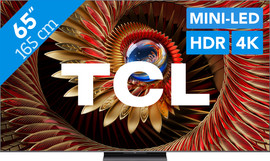
- TCL QD Mini LED C81K 4K (2025)
Thanks to the 4,500 nits brightness, you won't see any reflections.
The QD Mini-LED screen displays high-contrast images full of color.
Enjoy deep sound through the Bang & Olufsen speakers.
You sometimes see a gray glow around bright objects.
From
1.599,-
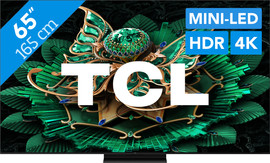
- TCL QD Mini LED C71K 4K (2025)
You see almost no reflections due to the 2,600 nits brightness.
The QD Mini-LED screen displays high-contrast images full of color.
You sometimes see a gray glow around bright objects.
This TV has fewer built-in speakers than the C81K.
From
1.199,-
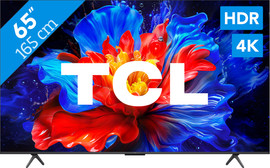
- TCL QLED P81K 4K (2025)
Thanks to QLED technology, you see rich, pure colors.
You watch smooth images through the 144 Hz screen.
Enjoy deep sound through the built-in Onkyo speakers.
This TV doesn't have local dimming, so black isn't truly black.
Due to the 350-nit brightness, you see reflections on the screen.
From
633,-
Comparison of QD Mini-LED C81K and C71K and QLED P81K
| C81K | C71K | P81K | |
|---|---|---|---|
| Screen technology | QD Mini-LED | QD Mini-LED | QLED |
| Local dimming | Yes | Yes | No |
| Peak brightness | 4500 nits | 2600 nits | 350 nits |
| Refresh rate | 100 - 144Hz | 100 - 144Hz | 100 - 144Hz |
| Sound quality | Excellent | Very good | Good |
Screen technology

C81K: QLED and Mini-LED local dimming
This TV combines QLED technology and Mini-LED local dimming for bright images with realistic colors. Behind the screen are thousands of LED lights that illuminate or dim pixels on the screen. As a result, only the correct pixels are lit. You won't see a gray glow around bright light sources. The quantum dots filter the light from the LED backlight, ensuring you see only the correct colors. This allows the screen to display all the color shades of a campfire.

C71K: QLED and Mini-LED local dimming
The C71K is very similar to the C81K and uses the same QLED technology. This TV also features Mini-LED local dimming, allowing you to enjoy powerful contrast and realistic colors. The LED backlight of the C71K uses fewer zones, making your viewing experience less realistic than with the C81K. For instance, you see fewer color shades and a slight gray glow around bright light sources, such as the moon.
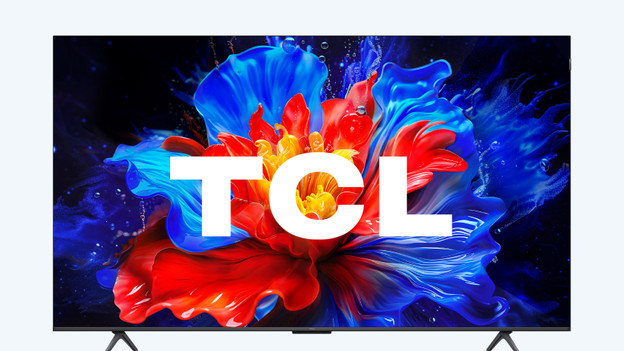
P81K: QLED and no local dimming
The P81K does not use local dimming, resulting in less realistic images. Like the C71K and C81K, the TV features LED lighting, but it's less able to control the LEDs. As a result, dark areas of the image are always illuminated, and black isn't truly black. You see fewer details in films with many dark scenes. The P81K features quantum dots behind the screen, allowing you to watch colorful images. This TV is particularly suitable for nature documentaries, movies, and TV programs.
Brightness
C81K: highest brightness
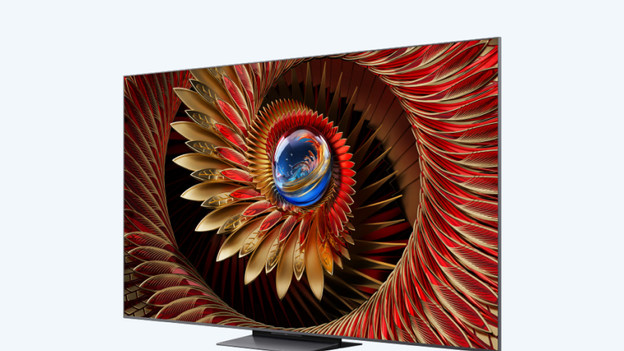
QD Mini-LED TVs are known for their high brightness, and the C81K is no exception. This TV boasts a peak brightness of 4500 nits. As a result, colors pop off the screen and you won't see any reflections on the image. You can confidently put on a movie in a brightly lit room. Wherever the TV is placed, you'll enjoy excellent picture quality.

C71K: high brightness
The C71K is slightly less bright than the C81K. As a result, the image quality is lower and you are more prone to reflections. Nevertheless, the peak brightness of 2600 nits is high enough for most rooms. You can see all the color tones of a nature documentary, as long as the sun is not shining directly on the screen.

P81K: average brightness
This TV has a lower peak brightness of 350 nits. This is sufficient for a dark room or if you close the curtains in a bright room. In a brightly lit room, you will see many reflections and the colors will fade. However, the P81K uses QLED technology, which allows the TV to handle bright light sources better than other LED TVs. As a result, colors remain more realistic.
Sound quality

C81K: excellent
The C81K features 6 built-in Bang & Olufsen speakers with a total power output of 90W. This ensures you enjoy clear, crisp sound. Thanks to the subwoofers, the sound of the C81K is also more realistic than that of most other TVs. This allows you to hear all the sound effects in a movie or series. However, for exciting action movies, we do recommend a separate soundbar. This provides spatial sound and clearer bass tones, allowing you to fully immerse yourself in the action.
C71K: very good
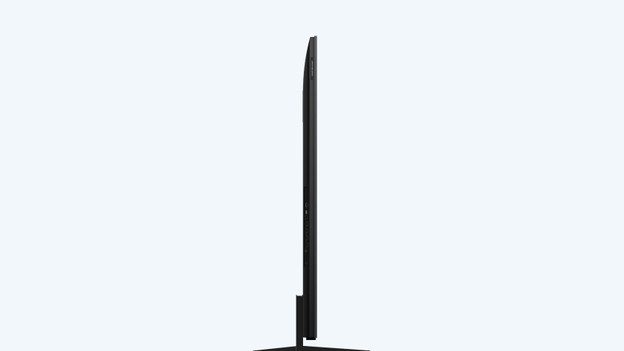
The C71K features 4 built-in Bang & Olufsen speakers and subwoofers with a lower power output of 60W. This makes the TV suitable for movies and series with less deep bass or standard TV programs. As with the C81K, we recommend a soundbar for realistic, deep sound. Soundbars have large, powerful speakers that provide room-filling sound.

P81K: good
The P81K has a less extensive sound system. For instance, this TV has 2 standard speakers and one subwoofer. As a result, you can watch the news without any problems. The sound is clear and you can understand voices well. Thanks to the built-in subwoofer, you can turn up the volume without it becoming unclear.
Conclusion
With the C81K, you enjoy the best viewing experience thanks to the high brightness, the QD Mini-LED screen, and 6 Bang & Olufsen speakers. The C71K is very similar to the C81K, but is less resistant to direct sunlight due to its lower brightness. TCL's P81K does not use quantum dots or Mini-LED local dimming. As a result, the image is less realistic.
