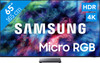
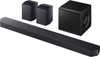
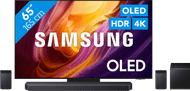
Samsung Micro RGB 65 inches R95H (2026) + Samsung HW-Q930H (2026)








65 inch
|
High-end soundbar
Free delivery to just over the doorstep of your home
Live in an apartment building and don't have an elevator? We deliver up to the 4th floor. We’ll deliver the appliance to just over your home's doorstep.
Take old product with us
We’re happy to take your old appliance with us for free when it’s ready at the front door
Product number | 978736 | |
|---|---|---|
Manufacturer code | MRE65R95HATXXN | |
Brand | Samsung | |
Warranty | 2 years | |
Processing of your defect | At your home |
Screen type | RGB LED | |
|---|---|---|
Screen size | 65 inches | |
Sharpness | 4K (UHD) | |
Refresh rate | 100 Hz | |
Refresh rate for gaming | 165 Hz | |
Color depth | 1 billion colors (10-bit) | |
Recommended for television use | Optimal gaming, Stream series and movies, Watch sports optimally |
Quality viewing angle | Good | |
|---|---|---|
Pixel structure | RGB | |
Local dimming | ||
Type local dimming | Full Array | |
HDR support | ||
Type of HDR | HDR10, HDR10+, HLG | |
Input lag | 9,8 ms |
Smart TV | ||
|---|---|---|
Smart platform type | Extensive | |
Smart platform | Tizen | |
Bluetooth | ||
DLNA | ||
AirPlay | ||
AirPlay version | AirPlay 2 | |
Chromecast built in | ||
Media player |
Sound quality according to Coolblue | Very good | |
|---|---|---|
Built-in soundbar | ||
Number of speakers | 8 | |
Continuous/nominal total output capacity (RMS) | 70 W | |
Q-Symphonyq | ||
Dolby Atmos support |
One Connect Box | ||
|---|---|---|
Art Mode | ||
Sleep timer | ||
Light sensor | ||
Pivotable stand |
Controls via app | ||
|---|---|---|
Controlled via Android app | ||
Controlled via Apple app | ||
Samsung One Remote | ||
Voice control |
CI/CI+ slot | ||
|---|---|---|
Digital tuner | ||
Digital video signal | Cable (DVB-C), Digitenne (DVB-T), Digitenne (DVB-T2), Satellite (DVB-S), Satellite (DVB-S2) | |
DVB-T Twin tuner | ||
DVB-S Twin tuner |
Antenna connector | ||
|---|---|---|
Female HDMI Type A port version | 2.1 | |
Number of Female HDMI type A 2.1 ports | 4 | |
HDMI eARC | ||
Digital optical connector | ||
Headphone jack | ||
USB port | ||
Component video connector | ||
Composite connector | ||
Network connector | ||
RCA connector | ||
VGA connector |
VESA mount option | ||
|---|---|---|
VESA mount | 400x300mm | |
Including TV mount |
Energy label | F | |
|---|---|---|
Energy consumption per 1000h | 102 kWh | |
Energy consumption HDR per 1000h | 288 kWh |
Color | Black | |
|---|---|---|
Height | 82,6 cm | |
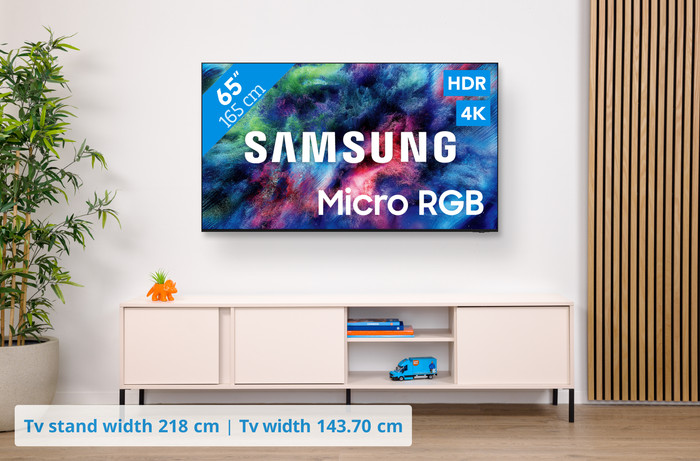
Width | 143,7 cm | |
Depth | 3 cm | |
Height including stand | 89 cm | |
Width including stand | 143,7 cm | |
Depth with stand | 30,2 cm | |
TV stand type | 1 stand | |
Leg stands adjustable in height | ||
Width stand | 35,6 cm | |
Stand height | 6,4 cm | |
Total weight including stand | 23,8 kg | |
Year introduced | 2026 | |
Product line | R95H |
Product number | 980001 | |
|---|---|---|
Manufacturer code | HW-Q930H/XN | |
Brand | Samsung | |
Warranty | 2 years | |
Processing of your defect | Via Coolblue |
Height | 6,04 cm | |
|---|---|---|
Width | 111,07 cm | |
Depth | 12 cm | |
Weight | 5,3 kg | |
Color | Black |
Separate subwoofer | ||
|---|---|---|
Wireless subwoofer | ||
Subwoofer height | 25,2 cm | |
Subwoofer width | 24,9 cm | |
Subwoofer depth | 24,9 cm | |
Subwoofer weight | 7,2 kg |
Number of audio channels | 9 | |
|---|---|---|
Number of subwoofer channels | 1 | |
Sound reproduction | Surround | |
Surround sound | True surround sound | |
Dolby Atmos | True Dolby Atmos | |
Hi-Res audio | ||
Radio |
HDMI connector | ||
|---|---|---|
HDMI ARC (Audio Return Channel) | ||
Digital optical connector | ||
Network connector | ||
USB port |
Bluetooth | ||
|---|---|---|
Built-in WiFi | ||
Plays from network | ||
Multi-room audio | ||
Multi-room functions | Make a stereo pair, Surround sound mode, Zones separately, Zones simultaneously | |
Number of zones (audio) | 10 | |
NFC | ||
DLNA | ||
Spotify Connect | ||
AirPlay | ||
Google Cast |
Smart home platform | Google Assistant, Samsung SmartThings | |
|---|---|---|
Compatible with smartphone / apps | ||
Controls via app | ||
Controlled via Android app | ||
Controlled via Apple app | ||
Controlled via Windows app |
5 stars
4
4 stars
3
3 stars
0
2 stars
0
1 star
0
The R95H is Samsung's newest Micro RGB TV from 2026 and is highly recommended for any living room. The TV features a Micro RGB screen with a Glare Free anti-reflective coating. As a result, I always watch the most colorful images, no matter how brightly lit my room is. The TV has a variable refresh rate of 165 hertz for games, so it displays smooth action when playing on a PlayStation 5, Xbox Series X, or gaming PC. Unfortunately, this TV does not support Dolby Vision.
Realistic Micro RGB screen The R95H has a color- and contrast-rich Micro RGB screen that I watch at any time of day. A Micro RGB screen differs from a standard Mini LED TV in two ways. Not only are the LED lights behind the screen smaller, but they emit colored light instead of white. As a result, I watch realistic colors and images with a strong contrast between dark and light. I do not find the contrast to be as good as that of an OLED screen yet, and I see a slight glow around light sources. But this is already a big difference compared to an older Neo QLED TV from 2025. Unfortunately, Samsung does not support Dolby Vision, so for HDR movies and series, you are limited to HDR10 or HDR10+.
Glare-Free finish A second reason why I recommend this TV is the Glare-Free anti-reflective coating. This layer gives the screen a matte finish and prevents reflections. Thanks to this, I am not bothered by sunlight and can turn on lights near the television without any problems. I also think the TV looks nicer because of the matte finish. When the TV is off, I don't see myself sitting in the reflection.
165Hz refresh rate for gaming This television is also highly recommended for gamers. The TV has a native refresh rate of 100Hz, which increases to 165Hz in games that support this. As a result, I watch smooth, fast action in games, and my opponents are never too fast for me. A refresh rate of 165 hertz is useful for less demanding multiplayer games, where your console can regularly display more than 100 frames per second. For more demanding single-player games, the standard refresh rate of 100 hertz is already more than sufficient.
Jordin. Televisie specialist.
2 July 2026
Automatically translated from Nederlands
Bring your favorite movies and series truly to life. The Samsung MRE65R95HATXXN is not just a television; it is the ultimate upgrade for movie lovers. Prepare yourself for colors that pop off the screen and unprecedented depth. No more annoying glare thanks to the revolutionary Glare Free screen—just pure, uninterrupted enjoyment. With the lightning-fast interface, you switch smoothly between all your content, while the minimalist design hangs sleekly on your wall like a work of art. This is the home cinema investment you are guaranteed to enjoy for years to come. Combine it with a good soundbar for the ultimate sound and treat yourself to the cinema experience you deserve!
NS@007
17 August 2026
Automatically translated from Nederlands
Why I like it:
Top picture: Incredibly sharp 65-inch screen with bright, deep colors.
Smooth: Fast action and games run flawlessly.
Sleek design: Virtually bezel-less and modern. Fast menu: Switching between apps is effortless.
Why I don't like it: Weak sound: Lacks bass; I feel a soundbar is necessary.
Large size: Takes up a lot of space.
JaccoW
18 August 2026
Automatically translated from Nederlands
According to our television expert
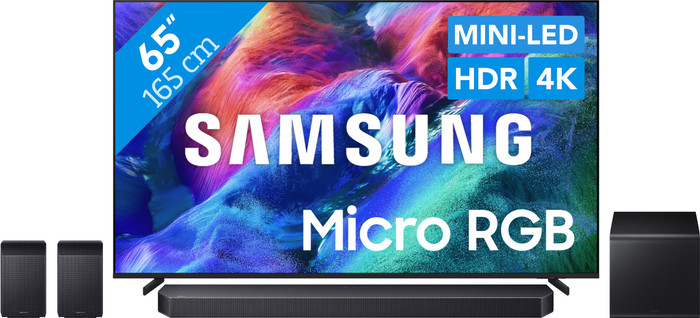
With this TV and soundbar bundle, you can turn your living room into a home cinema.
Thanks to the Micro RGB technology, you can watch colorful images with a powerful contrast.
You can stream your favorite movies and series via the Tizen smart platform.
This TV doesn't support Dolby Vision, so images with this HDR version are less realistic.
Enjoy your own home cinema with this Samsung Micro RGB 65-inch R95H (2026) + Samsung HW-Q930H (2026) TV and soundbar bundle.
TelevisionWatch realistic and colorful images with the Samsung Micro RGB 65-inch R95H (2026). This television uses the Micro RGB technology. There are thousands of small LED lights in the 75-inch screen, which light up the pixels on the screen and emit their own color. It doesn't need color filters for this, so the displayed colors are more realistic. You can see every shade in the fur of a tiger, for example. The 65-inch R95H has a Glare Free matte screen. Thanks to this, you don't see reflections when you watch a dark movie or series in a light room.
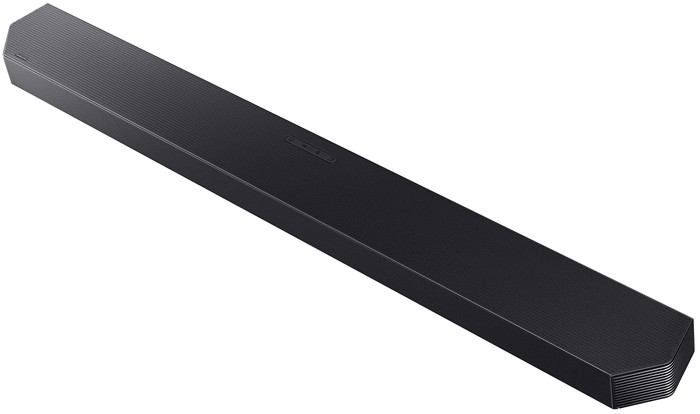
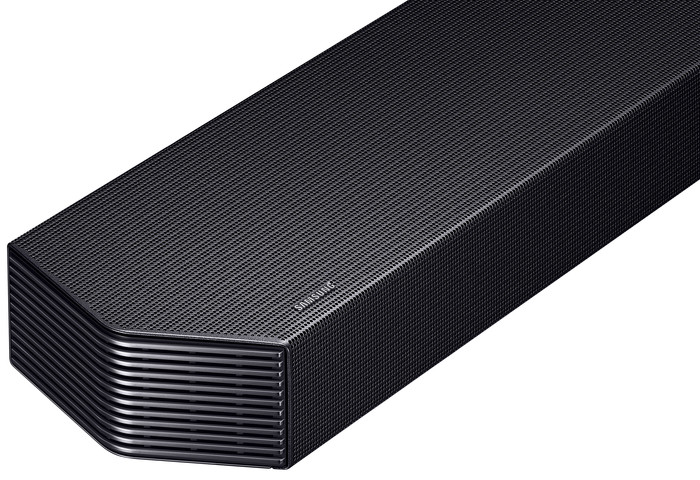
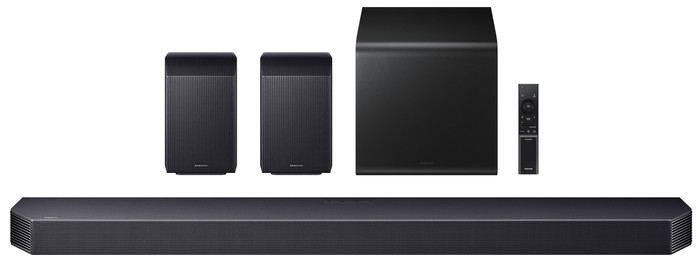
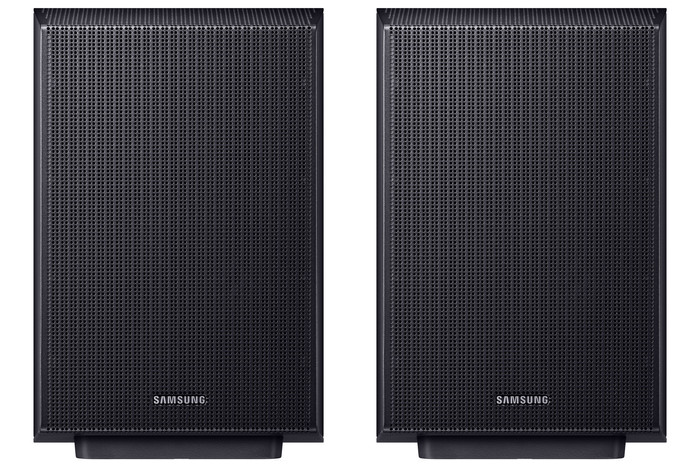
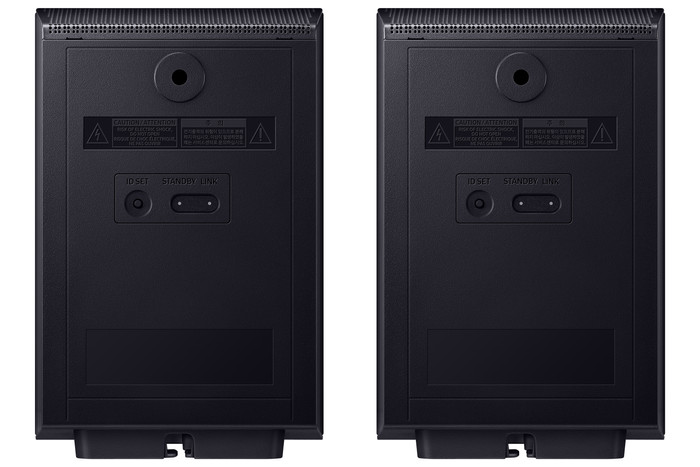
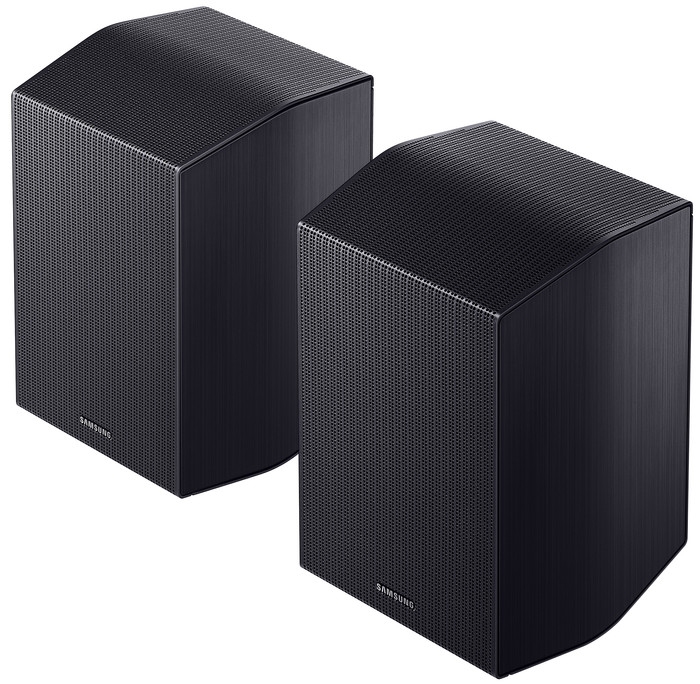
SoundbarTurn your living room into a home cinema with the Samsung HW-Q930H (2026). You receive a separate subwoofer and 2 rear speakers with this soundbar. Thanks to this, you can hear rich sound from the 9.1.4-channel soundbar, the deepest bass of the subwoofer, and you can hear sound behind you thanks to the rear speakers. The HW-Q930H uses True Dolby Atmos for a spatial viewing experience. Thanks to this technology, the speakers of your soundbar reflect sound via the ceiling and the walls to your seat. This way, the tones come from all sides and you're in the middle of the action. If you watch an action movie, the bullets fly around your ears.
3.679,-
3.679,-
Current product
3.679,-
3.589,-
3.869,-
Delivered tomorrow
Delivered tomorrow