Written by Caitlin
Edited on
27 January 2025
·
13:10
What makes a dishwasher energy-efficient?
Dishwashers come in different ranges. Some are more energy-efficient than others. But what makes a dishwasher energy-efficient? In this article, we'll explain why certain cycles, drying techniques, or sensors make a dishwasher energy-efficient.
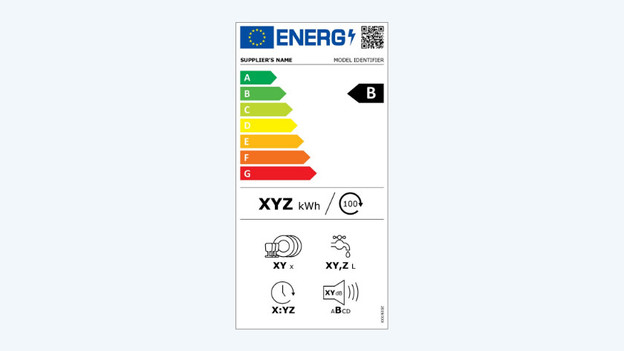
The energy label
The energy label indicates how energy-efficient the dishwasher is. An A+++ energy label was the most energy-efficient before 1 March 2021, but the labels have been updated recently. The energy labels now range from A to G. We consider a dishwasher with a C energy label or higher energy-efficient.

Eco cycle
When you run the eco cycle on a dishwasher, you save energy. This program uses less water and electricity. The disadvantage of an eco program is the duration. An average dishwasher cycle is finished after 1.5 hours, but the eco cycle lasts between 3 and 4 hours.
Load sensor
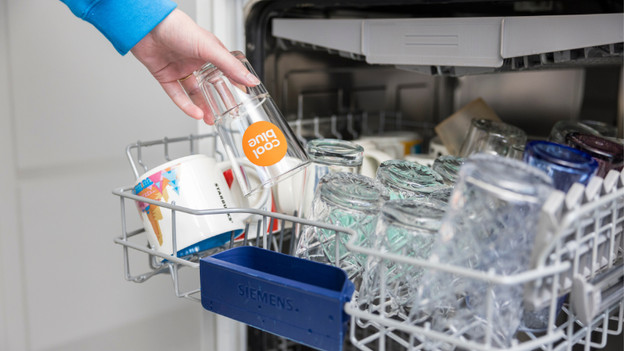
A load sensor measures how many dishes are in the dishwasher. It adjusts the amount of water to this, so it doesn't waste water. This way, the dishwasher uses less water and electricity to wash the dishes.

Active drying method
With an active drying method, the dishwasher dries the dishes in a natural way. There are 2 different active drying techniques: opening the door when the cycle has finished or using zeolite granules. Both methods are a lot simpler and more energy-efficient than the condenser drying technology, which uses cold water to cool the dishes.
Article by Caitlin
Dishwasher Expert.